





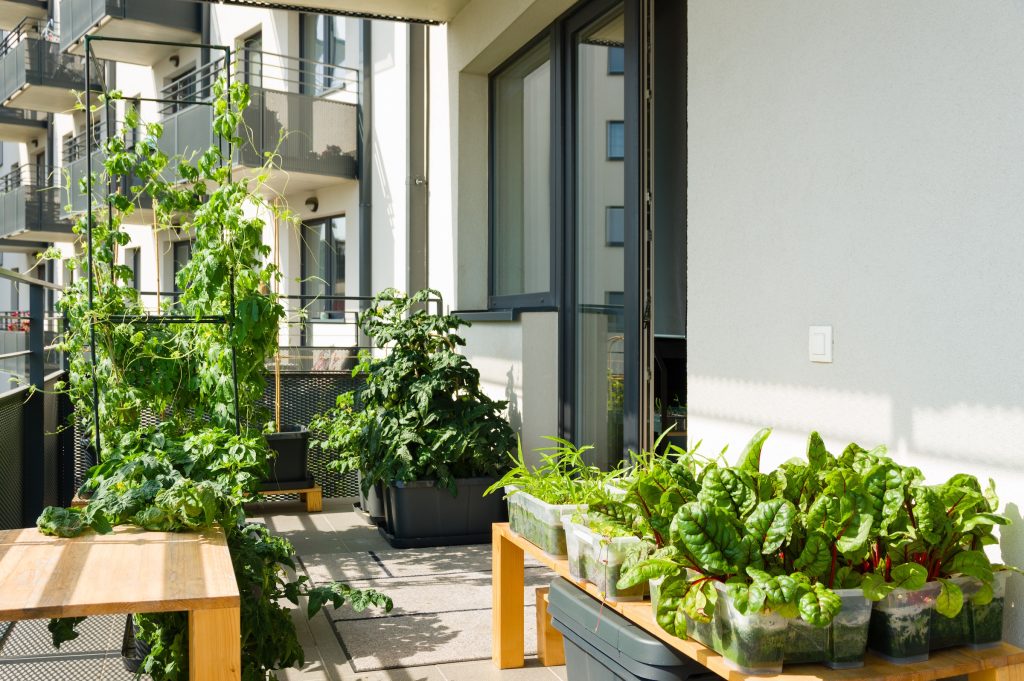
Ever dream of having your own little green escape? With micro-gardening, you can turn the private balcony at your Story University North apartment into a personal oasis. It’s all about connecting with nature and extending your living space into the outdoors, without ever leaving home.
With the right plants and a few clever tricks, any balcony can become a beautiful, productive garden that thrives in the North Carolina climate.
Key Takeaways
- Start your micro gardening journey by evaluating your balcony’s daily sun exposure and reviewing community guidelines to ensure a safe, compliant setup.
- Select heat-tolerant varieties like rosemary and “patio” tomatoes that are specifically bred to thrive in the North Carolina humidity.
- Maximize your limited square footage by using trellises and railing planters to create a lush apartment balcony garden without cluttering the floor.
- Use self-watering pots or deep drainage saucers to keep your plants hydrated while preventing excess water from dripping onto your neighbors’ balconies.
Know Your Balcony to Plan Your Garden
Before you buy a single pot, take a moment to get to know your space. A little planning now makes for a much happier garden later.
Map Your Sunlight Exposure
The most critical factor for your garden’s success is sunlight. Pay attention to how many hours of direct sun your balcony gets each day.
The direction it faces is a major clue:
- North-facing: The shadiest spot. It’s perfect for shade-loving plants like leafy greens (kale, lettuce) and beautiful hostas.
- South-facing: The sunniest and hottest. This is prime real estate for sun worshippers like cherry tomatoes, rosemary, and marigolds.
- East-facing: Gets gentle morning sun and is shaded from the harsh afternoon heat. Many plants love this balanced environment.
- West-facing: Intense afternoon sun. You’ll need heat-tolerant plants that can handle the high temperatures.
Select the Right Containers and Soil
Finding the perfect home for your greenery is fun aesthetically, but it’s just as important to ensure you are choosing materials that stand up to the Charlotte humidity.
While terracotta pots offer a classic look, their porous nature means they dry out quickly—making them ideal for drought-tolerant herbs but a challenge for thirsty flowers during a peak NC summer. If you want something lighter, plastic or glazed ceramic containers are excellent at retaining moisture during those high-heat afternoons.
For the best root health, many Story University North residents find success with fabric grow bags, which allow for superior airflow and prevent roots from “cooking” on a sun-drenched balcony. Regardless of your style, ensure every pot has drainage holes to prevent root rot after a heavy Carolina downpour.
Finally, always fill your containers with a premium potting mix rather than ground soil to guarantee the aeration and drainage your mini-ecosystem needs to thrive.
Reviewing Community Guidelines
Part of living in a high-end community is being considerate of your neighbors. Make sure your garden setup allows for proper water drainage (no dripping on the balcony below) and that you keep your space tidy.
A beautiful garden is a wonderful amenity, and keeping it neat ensures everyone can enjoy the view.
Best Plants for a Thriving North Carolina Balcony Garden
Now for the fun part: choosing your plants! Focus on varieties that love the heat and humidity of a North Carolina summer.
Heat-Tolerant Herbs
An herb garden is one of the easiest ways to start. They are relatively low-maintenance and add fresh flavor to your cooking.
- Rosemary: Loves sun and dry conditions.
- Thyme: A hardy herb that thrives in the heat.
- Basil: A summer essential, perfect for pesto or caprese salads.
- Mint: Super easy to grow, but keep it in its own pot or it will take over.
- Chives: Great for adding a mild onion flavor to dishes.
Apartment-Friendly Vegetables and Fruits
Yes, you can grow your own food. Look for “bush” or “patio” varieties that are bred for small spaces.
- Cherry Tomatoes: Choose a compact variety for endless summer snacking.
- Lettuce: Leafy greens like lettuce and kale do well with morning sun.
- Radishes: These grow quickly, giving you a fast and rewarding harvest.
- Peppers: Both sweet and hot peppers can thrive in sunny pots.
For more ideas, the NC State Extension Gardener Plant Toolbox is a valuable resource.
Colorful Flowers and Greenery for NC Weather
Add a pop of color and attract friendly pollinators like bees and butterflies.
- Marigolds: Cheerful, easy to grow, and they help keep pests away.
- Petunias: These classic flowers look amazing spilling over the side of a pot or hanging basket.
- Trailing Plants: Plants like sweet potato vine can create a lush, cascading effect.
Whether you’re aiming for a floral retreat or an edible harvest, the secret to success in Charlotte is matching your greenery to your balcony’s daily light. Use this guide to find the best NC-hardy plants for your specific sun exposure:
| Plant Type | Sun Needs (NC Climate) | Apartment-Friendly Tip |
|---|---|---|
| Cherry Tomatoes (Determinate/Bush variety) | Full Sun (6-8+ hours) | Needs a sturdy pot and a small trellis or cage for support. A south or west-facing balcony is ideal. |
| Leaf Lettuce | Partial Shade (4-6 hours) | Perfect for east or north-facing balconies. Harvest outer leaves to keep the plant producing. |
| Rosemary | Full Sun (6-8+ hours) | Drought-tolerant and loves heat. Does well in terracotta pots which allow the soil to dry out. |
| Marigolds | Full Sun (6-8+ hours) | Easy to grow from seed and helps deter pests from your vegetable plants. Adds a pop of color. |
Our Favorite Balcony Gardening Decor Ideas
A balcony doesn’t mean a small garden. You just have to think creatively about your square footage.
Go Vertical: Using Trellises and Hanging Planters
The best way to maximize a small space is to go up.
Using vertical space lets you grow more without taking up precious floor area. A freestanding trellis can support climbing plants, while railing planters and hanging baskets are perfect for adding greenery without sacrificing space.
Smart Watering Ideas for the Modern Gardener
Watering can be a challenge on a balcony. You need to be consistent, but you also need to prevent runoff. Self-watering containers have a built-in reservoir that gives your plants water as they need it, which is a game-changer.
You can also use large plant saucers under your pots to catch any excess water, protecting your balcony floor and the neighbors below.
Frequently Asked Questions about Apartment Balcony Gardens
Got questions? We’ve got answers. Here are a few common ones we hear.
What is micro-gardening and how does it work for apartments?
Micro-gardening is simply the practice of growing plants in small, limited spaces, like an apartment balcony. It works by using containers, maximizing vertical space, and choosing compact plant varieties that are well-suited for pot life.
How can I maximize vertical space without drilling holes in the walls?
There are tons of renter-friendly options! Try freestanding trellises that lean securely against your balcony wall, tiered plant stands (or plant ladders) that act as bookshelves for your greenery, and stacking planter towers that turn a few inches of floor space into a column of life.
Which herbs thrive in North Carolina’s summer heat?
Some of the best heat-loving herbs are rosemary, basil, thyme, and mint. These herbs are Mediterranean natives, so they’re built to handle plenty of sun and require well-draining soil to be happy.
What can I use to catch water so it doesn’t drip on the neighbor below?
The simplest solution is to place a deep plant saucer or a tray under every single pot. Another great option is to use self-watering containers, which have a built-in reservoir at the bottom that catches and holds excess water, preventing any drips.
Your Balcony Oasis Awaits at Story University North
Creating a beautiful balcony garden is totally achievable. With a little bit of planning, the right plants for the Charlotte climate, and smart use of your space, you can create the personal retreat you’ve been dreaming of.
Ready to see where your garden could grow? We invite you to schedule a tour to see the spacious balconies for yourself. And if you want to dig even deeper into local horticulture, you can connect with other local gardeners through Mecklenburg County’s programs.